Skip to content
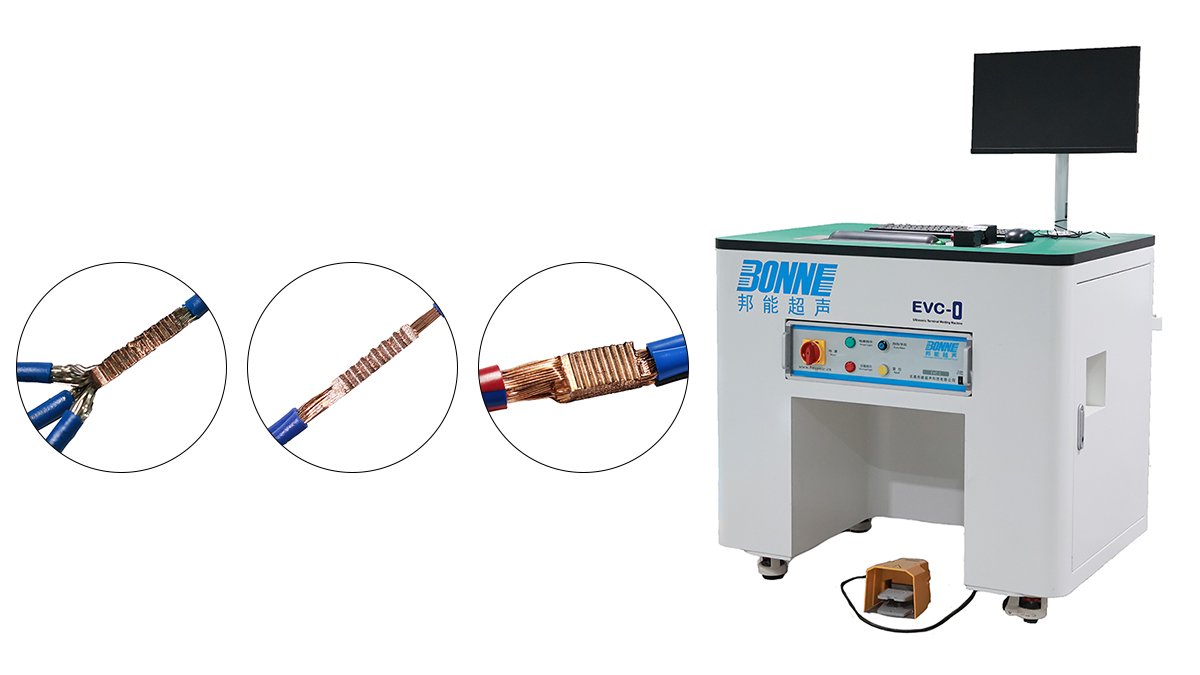
Multi-strand copper wire is widely used in automotive wire harnesses, electric vehicles, battery systems, and electrical power distribution because of its excellent conductivity and flexibility. However, creating a reliable connection between multiple fine copper strands can be challenging.
Ultrasonic metal welding provides an efficient solid-state joining method for multi-strand copper wire. Instead of melting the copper, ultrasonic vibration and controlled pressure create a strong metallurgical bond between the wire strands.
This makes ultrasonic welding particularly suitable for applications that require reliable electrical conductivity, low heat input, consistent quality, and high-volume production.
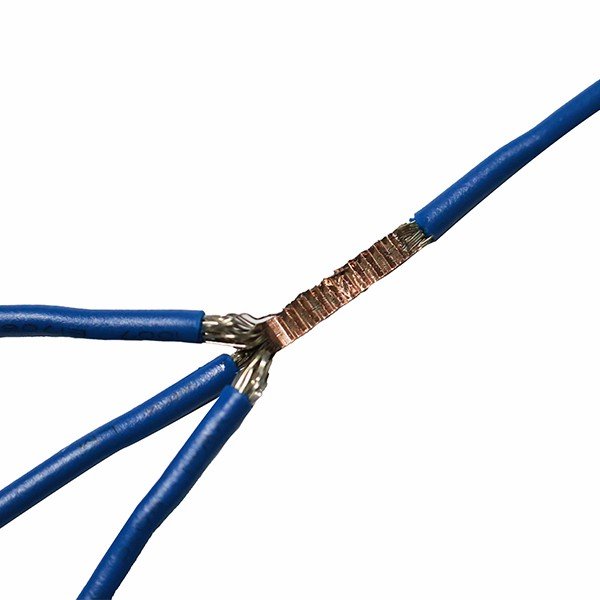
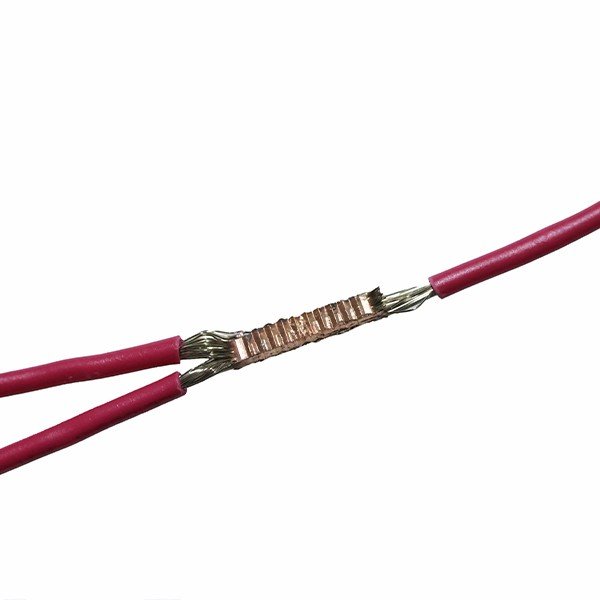
What Is Multi-Strand Copper Wire Welding?
Multi-strand copper wire consists of multiple individual copper strands twisted or bundled together to form a flexible conductor.
During the joining process, these strands need to form a stable electrical and mechanical connection. A poor connection can increase electrical resistance, reduce mechanical strength, and affect long-term reliability.
For automotive and EV applications, the welding process must also avoid excessive heat that could damage nearby insulation or other components.
Why Is Multi-Strand Copper Wire Challenging to Join?
Several factors make multi-strand copper wire different from solid copper conductors.
Multiple Individual Strands
The welding process must bring many individual copper strands into close contact and create a consistent bonded area.
High Thermal Conductivity
Copper transfers heat quickly. Processes that rely heavily on heat can therefore require careful control to prevent unnecessary thermal effects.
Different Wire Sizes
Automotive harnesses and electrical systems often contain conductors with different cross-sectional areas. The welding system and tooling must be matched to the specific wire configuration.
Electrical Connection Requirements
A reliable connection should maintain low electrical resistance and stable conductivity throughout the service life of the product.
How Ultrasonic Welding Bonds Multi-Strand Copper Wire
Ultrasonic metal welding uses high-frequency mechanical vibration together with controlled welding pressure.
The wire strands are positioned between the welding tools. During the welding cycle, ultrasonic vibration creates relative movement at the contact surfaces while pressure holds the conductors together.
This process disrupts surface oxides and contaminants and promotes intimate contact between the copper surfaces.
The result is a solid-state bond without melting the base metal.
Unlike fusion welding processes, ultrasonic metal welding does not depend on creating a molten weld pool. This helps keep heat input relatively low while producing a compact and electrically conductive joint.
Key Benefits of Ultrasonic Welding for Multi-Strand Copper Wire
Low Heat Input
One of the major advantages of ultrasonic metal welding is its low thermal impact compared with processes that depend on melting the material.
This is especially useful for wire harness applications where excessive heat could affect insulation, connectors, or nearby components.
Excellent Electrical Conductivity
Ultrasonic welding creates intimate contact between the copper strands, helping produce a stable electrical connection.
For applications such as automotive power distribution, battery connections, and EV high-voltage harnesses, maintaining reliable electrical performance is critical.
Reliable Bonding of Multiple Strands
Ultrasonic welding is particularly effective for joining bundles of fine copper strands.
The process consolidates the strands into a defined welded area rather than relying only on mechanical compression.
No Filler Material
Ultrasonic metal welding is a solid-state joining process and does not require solder or other filler materials.
This can simplify the welding process and eliminate additional consumable materials.
Suitable for Automated Production
Ultrasonic wire welding systems can be integrated into automated wire harness and cable production lines.
Controlled welding parameters can help manufacturers achieve repeatable results across large production volumes.
Ultrasonic Welding Applications for Multi-Strand Copper Wire
Multi-strand copper wire ultrasonic welding is used across several industries.
Automotive Wire Harnesses
Automotive wire harness manufacturers use multi-strand copper conductors for power, signal, grounding, and distribution applications.
Ultrasonic welding can be used for wire splicing and other electrical connections where consistent conductivity and mechanical reliability are required.
EV High-Voltage Cables
Electric vehicles require reliable connections for high-current electrical systems.
Ultrasonic welding can be applied to selected copper cable and conductor connections where low electrical resistance and controlled heat input are important.
Battery and Energy Storage Systems
Copper conductors are widely used in battery packs and energy storage systems.
Ultrasonic metal welding can provide a reliable joining method for suitable copper conductor and connection designs.
[Internal Link: Ultrasonic Welding for EV and Battery Applications]
Grounding and Power Distribution
Multi-strand copper conductors are also used in grounding cables and power distribution systems.
For these applications, stable electrical performance and consistent production quality are important considerations when selecting a joining process.
Ultrasonic Welding vs. Other Joining Methods
The best joining technology depends on the application, conductor design, production requirements, and required electrical performance.
| Factor | Ultrasonic Welding | Crimping | Resistance Welding |
|---|---|---|---|
| Heat input | Low | Very low | Higher |
| Filler material | No | No | No |
| Multi-strand copper | Excellent | Good | Application dependent |
| Electrical connection | Excellent | Good | Application dependent |
| Automation | Excellent | Excellent | Excellent |
| Wire harness applications | Excellent | Excellent | Application dependent |
Ultrasonic welding is not intended to replace every joining technology. Instead, it provides a strong alternative when manufacturers need a solid-state connection with low heat input and consistent bonding of multiple conductive strands.
What Affects Ultrasonic Welding Quality?
The quality of a multi-strand copper wire weld depends on more than ultrasonic power alone.
Important factors include:
- Wire cross-sectional area
- Number and diameter of copper strands
- Copper material and surface condition
- Welding amplitude
- Welding pressure
- Welding time
- Welding energy
- Tool and anvil geometry
- Welding area and overlap
Proper matching of the welding system, tooling, and process parameters is essential for achieving consistent results.
For this reason, manufacturers should evaluate actual wire samples before selecting a production welding system.
When Should You Consider Ultrasonic Welding for Copper Wire?
Ultrasonic welding is particularly suitable when your application requires:
- Reliable electrical connections
- Low heat input
- Consistent bonding of multi-strand copper conductors
- High production repeatability
- Automated wire processing
- Reliable connections for automotive or EV applications
The final process selection should always be based on the actual conductor material, cross-section, welding geometry, production volume, and performance requirements.
Ultrasonic Welding Solutions from BONNE
BONNE provides ultrasonic metal welding equipment for copper wire, wire harness, automotive, EV, and other electrical connection applications.
Our ultrasonic welding systems can be evaluated according to the specific wire size, conductor configuration, welding width, and production requirements.
For manufacturers developing a new wire harness or cable connection, sample testing is an important step before production equipment is selected.
If you are evaluating ultrasonic welding for multi-strand copper wire, send BONNE your wire specifications and application requirements. Our engineering team can help evaluate the welding process and recommend a suitable ultrasonic metal welding solution.
Contact: chen@bnsonic.com
Website: bonnesonic.com