Skip to content
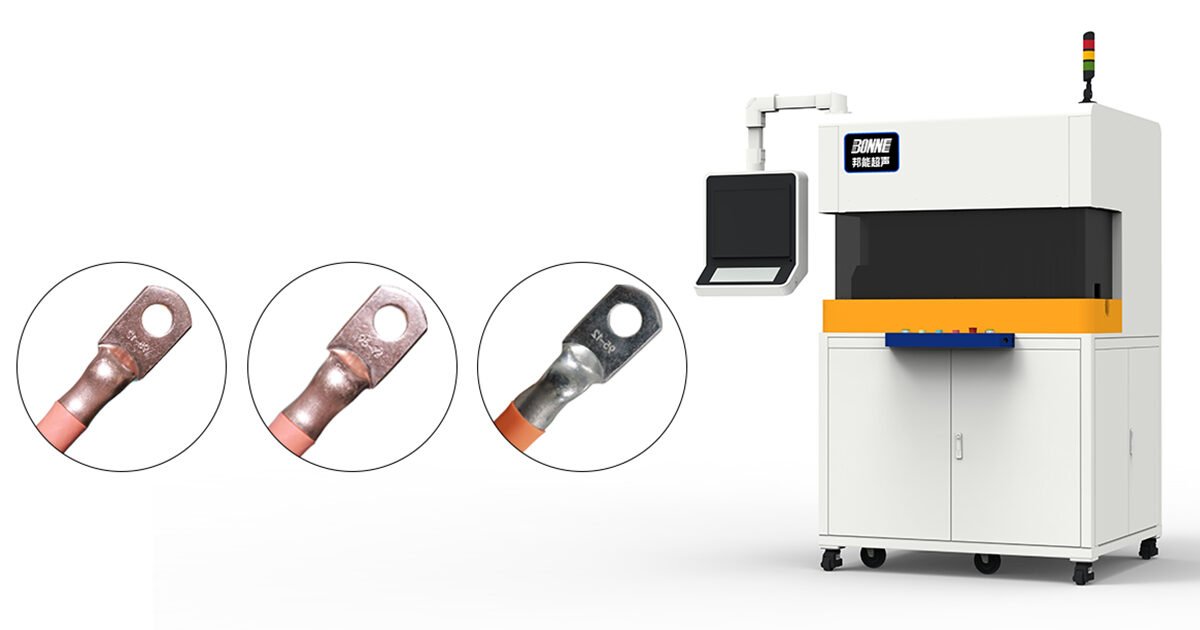
Introduction: Choosing the Right Metal Joining Solution for EV Manufacturing
With the rapid growth of electric vehicles, battery systems, and high-voltage wire harnesses, manufacturers are facing higher requirements for electrical conductivity, mechanical strength, and connection reliability.
Traditional joining methods may have limitations in heat generation, process stability, and long-term performance.
As a professional ultrasonic metal welding equipment manufacturer, BONNE provides advanced joining solutions including ultrasonic welding machines and electromagnetic pulse crimping equipment for automotive, EV, and energy applications.
This article explains the differences between ultrasonic welding and electromagnetic pulse crimping, helping engineers and purchasing teams select the right technology for their production needs.
1. What Is Ultrasonic Metal Welding?
How Ultrasonic Welding Works
Ultrasonic metal welding is a solid-state joining technology that uses high-frequency vibration energy and pressure to create a strong molecular bond between metal surfaces.
During the welding process:
- No melting occurs
- No filler material is required
- Heat generation is extremely low
- Oxide layers are removed through ultrasonic friction
This makes ultrasonic welding ideal for sensitive electrical connections where conductivity and reliability are critical.
Applications of Ultrasonic Metal Welding
Ultrasonic welding is widely used in:
- Automotive wire harness manufacturing
- EV battery connections
- Copper wire welding
- Aluminum wire welding
- Terminal welding
- Energy storage systems
For automotive suppliers, ultrasonic welding provides stable quality, high production efficiency, and excellent electrical performance.
2. What Is Electromagnetic Pulse Crimping?
How Electromagnetic Pulse Crimping Works
Electromagnetic pulse crimping (EMPC) is an advanced solid-state joining technology that uses electromagnetic force to create high-speed metal deformation.
Unlike traditional mechanical crimping, EMPC creates a high-strength connection without excessive heat.
Applications of Electromagnetic Pulse Crimping
Electromagnetic pulse crimping is mainly used for:
- EV high-voltage cables
- Battery pack connections
- Large cross-section conductors
- Copper-aluminum joining
- Automotive power systems
It is especially suitable for applications requiring high mechanical strength and reliable electrical performance.
To see how this technology performs in a real factory environment, read our full report on the on-site validation of electromagnetic pulse crimping system, which covers destructive pull testing, mechanical strength, and material compatibility for EV components.
3. Ultrasonic Welding vs Electromagnetic Pulse Crimping: Key Differences
Working Principle Comparison
| Item | Ultrasonic Metal Welding | Electromagnetic Pulse Crimping |
|---|---|---|
| Joining method | High-frequency vibration | Electromagnetic force |
| Process type | Solid-state welding | Solid-state joining |
| Heat generation | Very low | Very low |
| Main advantage | Precision and flexibility | Strength and large cable capability |
Application Comparison
Ultrasonic Welding Advantages
Ultrasonic welding is preferred for:
- Small and medium wire harnesses
- Multi-wire splicing
- Terminal welding
- Battery tabs
- High-volume automotive production
Key benefits:
- Excellent electrical conductivity
- Stable welding quality
- Easy automation integration
- Low energy consumption
Electromagnetic Pulse Crimping Advantages
EMPC is preferred for:
- Large EV cables
- High-voltage connections
- Copper and aluminum hybrid joining
- Battery system applications
Key benefits:
- Strong mechanical connection
- No thermal damage
- Suitable for large conductor sizes
- Future-oriented EV technology
4. How to Choose Between Ultrasonic Welding and Electromagnetic Pulse Crimping?
Consider Cable Size and Application
The first factor is conductor size.
For automotive wire harnesses and precision connections, ultrasonic welding is usually the preferred solution.
For large high-voltage cables and battery power connections, electromagnetic pulse crimping provides better performance.
Consider Production Requirements
Automotive manufacturers should evaluate:
- Production volume
- Automation requirements
- Quality control system
- Process monitoring capability
- Equipment reliability
A professional joining equipment supplier should provide not only machines but also complete process solutions.
Consider Long-Term Reliability
EV electrical connections must withstand:
- Vibration
- Temperature changes
- High current loads
- Long service life requirements
Therefore, selecting an experienced manufacturer is essential for stable production.
5. Why Choose BONNE as Your Metal Joining Equipment Partner?
Professional Ultrasonic Welding Equipment Manufacturer
BONNE specializes in the development and manufacturing of:
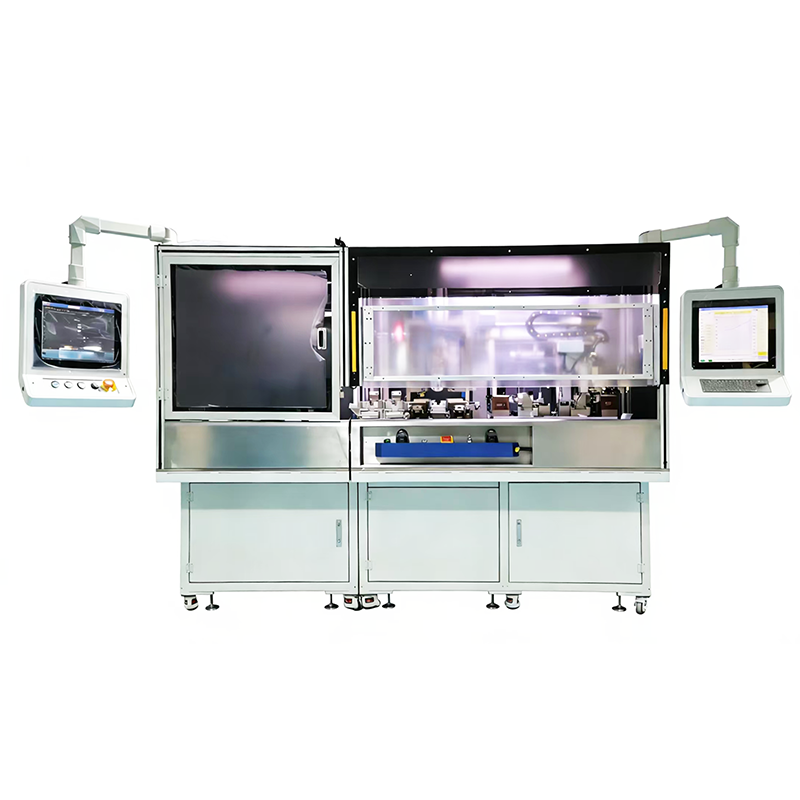
- Ultrasonic wire welding machines
- Ultrasonic terminal welding machines
- Ultrasonic metal spot welding systems
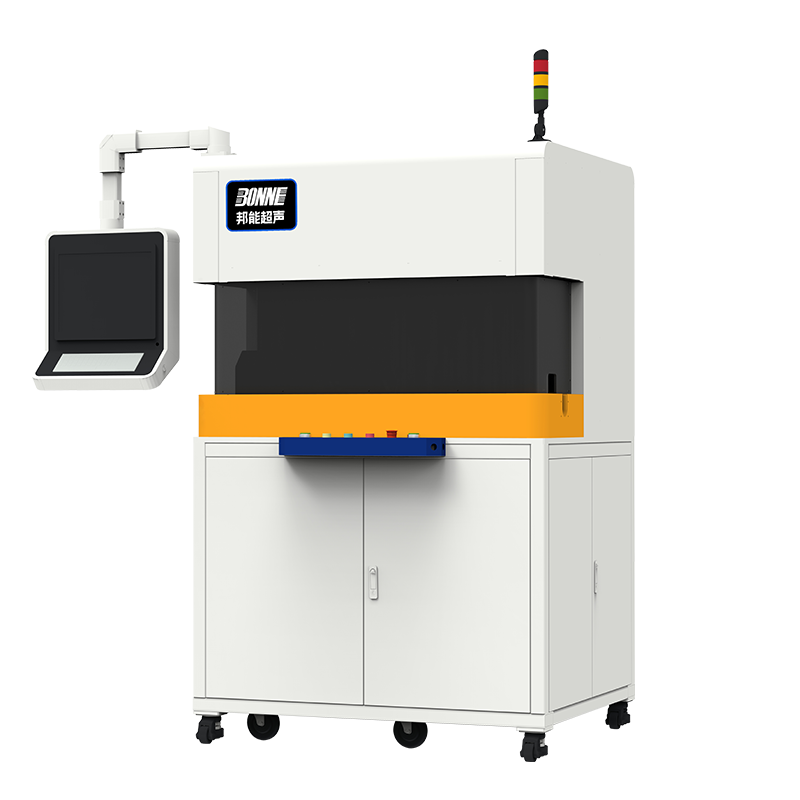
- Electromagnetic pulse crimping equipment
We provide customized solutions based on customer application requirements.
Automotive Wire Harness Welding Expertise
With years of experience in ultrasonic metal joining technology, BONNE helps customers solve challenges including:
- Unstable welding quality
- High contact resistance
- Copper and aluminum joining difficulties
- Wire harness production efficiency improvement
Complete Engineering Support
From welding testing and parameter optimization to production integration, our engineering team supports global customers with professional technical solutions.
Conclusion: Selecting the Right Joining Technology for Future EV Manufacturing
Ultrasonic welding and electromagnetic pulse crimping are both advanced technologies for modern electrical connection applications.
Ultrasonic welding provides excellent flexibility and efficiency for wire harness and precision connections.
Electromagnetic pulse crimping offers strong performance for high-voltage cables and large conductors.
The best solution depends on your cable structure, production requirements, and application environment.
As a professional ultrasonic metal welding equipment manufacturer, BONNE helps global automotive and energy companies achieve reliable, efficient, and future-ready metal joining solutions.
Request a Welding Test and Customized Solution
Looking for the right ultrasonic welding or electromagnetic pulse crimping solution for your EV wire harness project?
Contact BONNE engineering team for application evaluation and professional support.