Skip to content
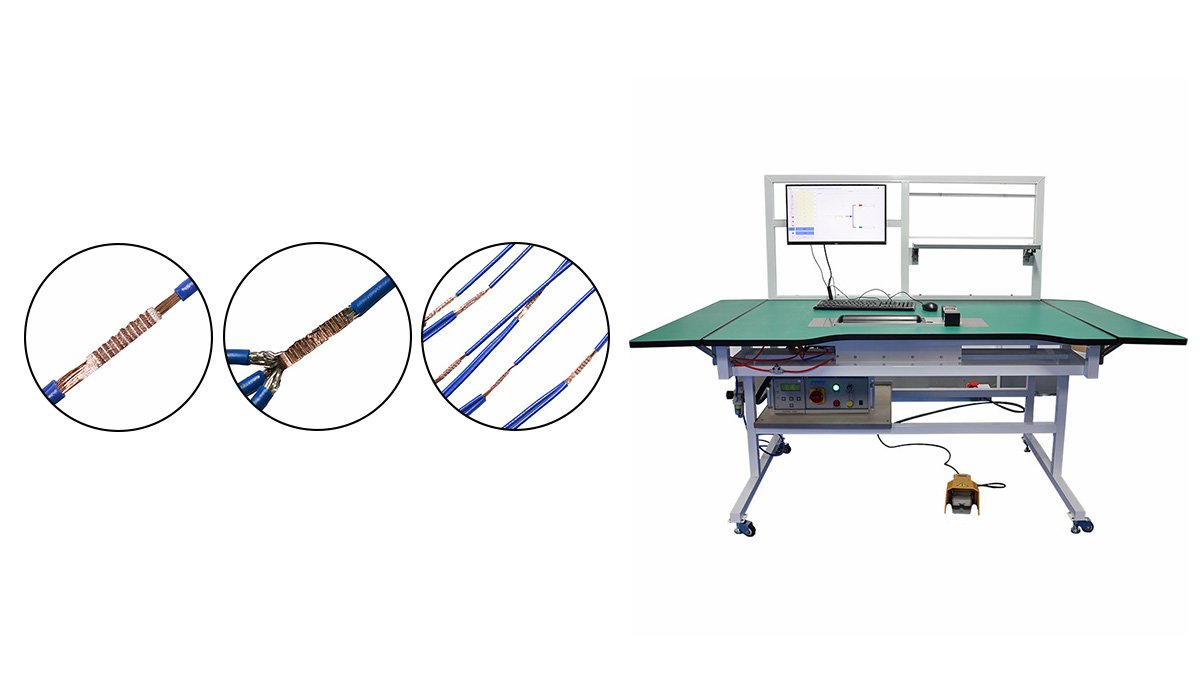
Discover how ultrasonic metal welding improves quality and throughput in automotive low-voltage wiring harness manufacturing — covering body harnesses, control system splices, multi-strand copper joints, and equipment selection.
Why Low-Voltage Harnesses Are the Hidden Backbone of Every Vehicle
Modern passenger cars contain between 1,500 and 4,000 individual wires bundled into dozens of sub-assemblies. While high-voltage harnesses get most of the attention in EV discussions, automotive low-voltage wiring harnesses — typically running at 12 V or 24 V — still carry the majority of signal and power connections inside the vehicle.
They link critical components including:
- Body Control Module (BCM) & Door Modules
- Lighting Circuits & Dashboard Sensors
- Seat Controls & HVAC Systems
- ABS Sensors, Airbags, and dozens of other ECUs.
Because these harnesses sit at the heart of body electrical systems, a single weak splice can cause intermittent faults, warranty claims, and field failures. That is exactly why ultrasonic wire harness welding has become the preferred jointing technology for Tier-1 harness makers worldwide.
What Ultrasonic Metal Welding Actually Does
Ultrasonic metal welding is a solid-state joining process. High-frequency mechanical vibration (typically 20 kHz) is transmitted through a sonotrode under controlled clamping pressure. The vibration breaks up oxides on the wire surfaces and produces a true metallurgical bond between copper strands — without heat, without solder, and without filler material.
Core Advantages vs. Traditional Methods
| Feature | Ultrasonic Welding | Traditional Crimping / Resistance Welding |
| Electrical Resistance | Homogeneous copper-to-copper weld; resistance close to base wire. | Higher contact resistance; prone to aging. |
| Insulation Safety | No thermal damage to surrounding insulation; allows tighter splice positioning. | Risk of thermal degradation or bulky profiles. |
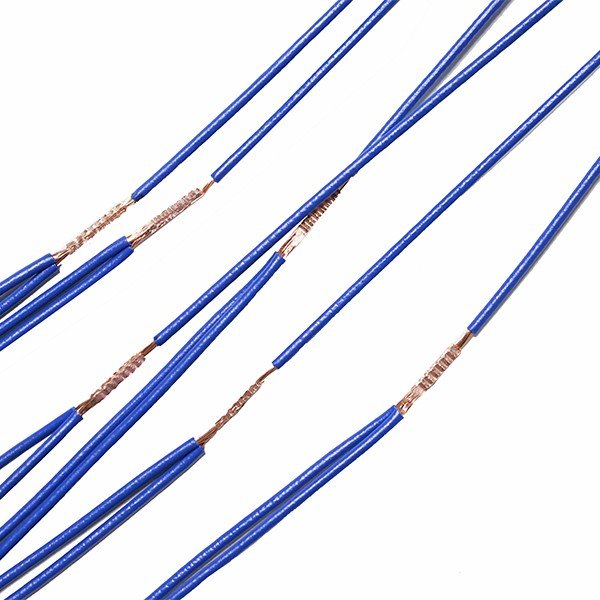
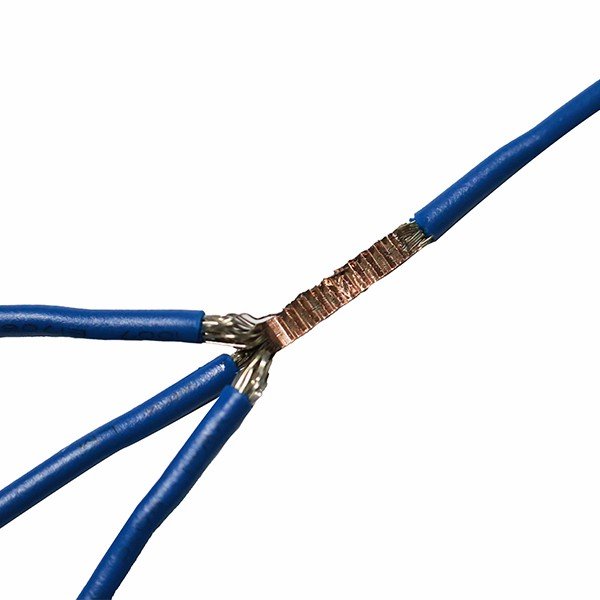
| Multi-strand Capability | Repeatable quality when bundling 4, 6, or 10+ wires of mixed cross-sections. | Risk of loose outer strands or uneven crimp pressure. |
Compliance Note: These properties match exactly what OEM specifications such as USCAR-38, LV 226, and VW 60330 require for low-voltage splice integrity.
Application Scenarios in Body and Control System Harnesses
1.Body Wiring Harness — Doors, Roof, and Dashboard
The body harness is the most branched sub-assembly in the entire vehicle. Each branch ends in a splice that combines power-feed wires with signal returns to door latches, window motors, and ambient lighting.
- Typical Wire Sizes: 0.35 mm² to 2.5 mm² (TPE or PVC insulation).
- Ultrasonic Advantage: Absolute consistency. Operators set the program once, and every splice produces the exact same height, width, and tensile strength.
2.Engine Compartment and Control System Harnesses
Control system harnesses connect the ECU, BCM, gateway module, and critical engine sensors (oxygen sensor, MAP, MAF, crankshaft position).
- Environmental Challenges: Must survive vibration, fluid exposure, and heat cycling from −40 °C to +125 °C.
- Ultrasonic Advantage: Delivers a gas-tight joint that resists corrosion far better than crimped butt splices.
3.Lighting and Sensor Sub-Harnesses
LED headlight modules, ADAS camera harnesses, and parking sensor loops rely on small-gauge multi-wire joints.
- Ultrasonic Advantage: Provides a compact, low-profile weld preferred over the bulkier profile of a crimped splice plus heat-shrink tubing, making it ideal for tight cavities.
4.Battery Negative and Ground Distribution Points
Even in a 12 V system, ground distribution splices may bundle 6 to 8 wires together.
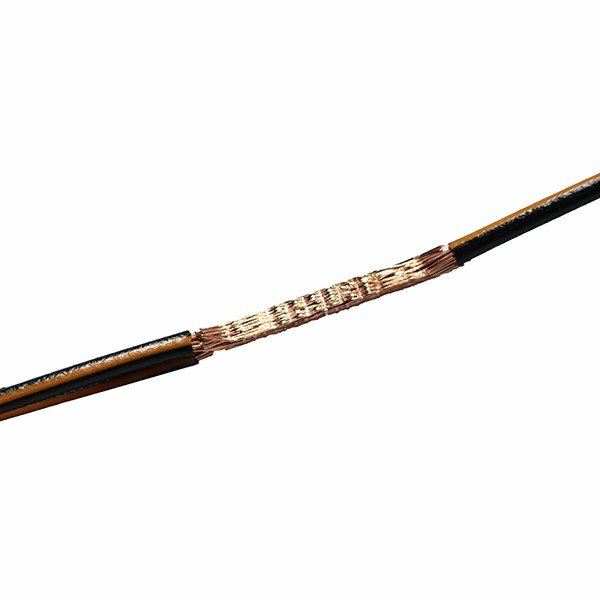
- Ultrasonic Advantage: Consolidates the entire bundle into one solid copper nugget in under a second, eliminating the risk of loose strands common in crimping or resistance soldering.
Frequently Asked Questions (FAQ)
Q1: Is ultrasonic welding better than crimping for car wiring harnesses? A: For splice points (T-splices, butt splices, multi-wire joins), yes. However, crimping remains the right choice for terminal-to-wire connections. The two technologies are complementary, not competing.
Q2: What wire cross-section range can an ultrasonic harness welder handle? A: A well-configured machine covers 0.13 mm² up to 40 mm² in a single platform, which spans virtually every low-voltage automotive splice and extends into 48 V mild-hybrid harnesses.
Optimize Your Wire Harness Assembly Process with Bonne Ultrasonic Technology
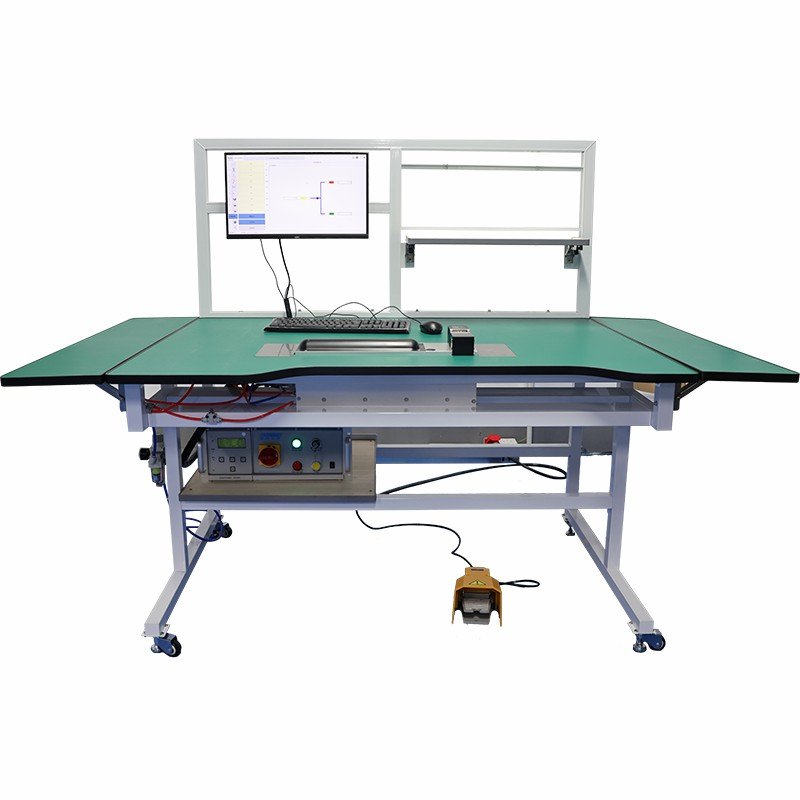
Achieving wire splicing that meets OEM standards requires high-precision equipment capable of handling continuous industrial production. As experts in ultrasonic metal welding, Wuxi Bonne Ultrasonic Technology offers production-proven wire splicing systems perfectly tailored to the technical requirements of automotive low-voltage wire harnesses.
Our equipment offers the following advantages:
Comprehensive Splicing Capability: A single unit seamlessly handles wire cross-sections ranging from 0.35 mm² to 25 mm².
Smart Traceability: Real-time monitoring of parameters such as weld height, width, energy, and time, with seamless integration into factory MES systems.
Tier-1 Quality: Ensures airtight joints with ultra-low electrical resistance, fully compliant with automotive industry standards US-CAR38 and US-CAR45.
Ready to upgrade your wire harness production line? [Click here to learn more about our ultrasonic wire splicing equipment] or send your wire specifications to our engineering team for a free weld sample test.